Tuesday, 22 March 2011

PERSONAL PRONOUN PROJECT

Personal pronoun for both gender:
  (わたくし): Most polite and formal version
  (わたし): This is gender neutral in formal or polite situation, but showing a sign of femininity when it’s used in casual or informal siutation
  (われ): formal and polite, but old-fashioned (except plural "我々", used in a humble way to talk about
  我(が)(()) : Used in the meaning of "my" or "our"
  自分 (じぶん): Neutral. Refers to the "self", so can be use for "I" or "you". "自分の" means "my" or "your" and "自分で" means "myself" or "youself".

Personal Pronoun for female:
  あたし: Mostly used by young females. Sounds cute.
  あた
 あたい: Slang version of "Atashi"
  うち: Used mostly by women. A neutral version also refers to "us" (family, company, etc.) as opposed to "them" or "you".

Personal Pronoun only for male:
  (おれ) : Informal. Used for indicating one’s own status. A sign of masculinity. A sign of familiarity among close friends and family.
  俺様 (れさま): Arrogant and rude version of "おれ"
  (ぼく): Common for younger men (sometimes for women). Sounds more refine than "おれ".
  わし: Mostly used by older men to younger or lower rank people.

Characters from “のだめカンタービレ


野田恵(のだめぐみ)
She is an extremely talented pianist who wants to be a preschool teacher. She prefers playing by ear rather than reading the music score. She is messy and disorganized, takes baths several days apart and loves to eat.

Personal pronoun she uses : わたし.But, she is being cute and always uses のだめ instead of “わたし” as the subject.


千秋真一(ちあきしんいち)
He is talented in piano and violin and has secret ambitions to become a conductor. An arrogant multi-lingual perfectionist.
Personal pronoun he uses: 俺.俺様 is often used when he talks to Nodame.


Characters from “こどものおもちゃ

倉田 紗南(くらた サナ)
Sana is an 11-year-old child star who is cheerful and generally outgoing.
Personal pronoun she uses : わたし


羽山 秋人(はやま あきと)
A sullen boy of few words and physically strong. Despite his troublemaking ways, he is smart and gets good grades. Although capable of cruelty, he has his own code of honor. His friendship with Sana softens his behaviour.

Personal pronoun he uses:


---------------------------------------------------------

This is the song “嘆きのキス” sung by AIKO

君の肩に顔を埋めて 大きく息を吸い込んだ
忘れないだろう 消えないだろう
君との最後の日

小さな始まりが 今はつたを絡めて
紡いだ大切な言葉や日々すらも縛って

繰り返し 涙が落ちる音を
静かに聞いていたあの日
誰よりも想い続ける事が
の今を支える大きな糧

今は君の空が晴れなのか曇りなのか
解らないよ

切なくなる程に 逢いたいと胸が泣く
が想う君への気持ちここにあるのに

を呼ぶ そして笑いかける
君は夢の星の様に
大切なの宝物だよ
今も昔も変わらぬ大きな糧

嘆きのキスに気付いてただろう
知っていても認めたくない優しい目の奥

繰り返し 涙が落ちる音を
静かに聞いていたあの日
誰よりも想い続ける事が
の今を支える大きな糧

ここに残る 嘆きのキスを胸に
は生きる

” is used instead of “” in the lyrics
 It is much impressive to say that は生きる" instead of " は生きる"

Reference:
http://en.wikipedia.org/wiki/Japanese_pronouns
http://www.wa-pedia.com/language/japanese_personal_pronouns.shtml

Tuesday, 8 February 2011

JAPANESE GEOGRAPHY PROJECT

I have never been to Japan. I would like to visit Yokote because its own festivals help me understand the traditional culture and history of Japan. The beautiful scenery surrounding Yokote attract my eyes.

Yokote is a city located in Akita in the Tōhoku region. There are many festivals in Yokote which passesd down from generartion to generation: Kamakura, Numairi Bonden, Kashima Festival, Okuri Bon Festival, Masuda Town Fireworks, Niida Bangaku, Chrysanthemum Festival, Haushiwake Shrine Shimotsukikagura and Asahiokayama Shrine Bonden. That’s why people call Yokote as “The Home of Festivals”.


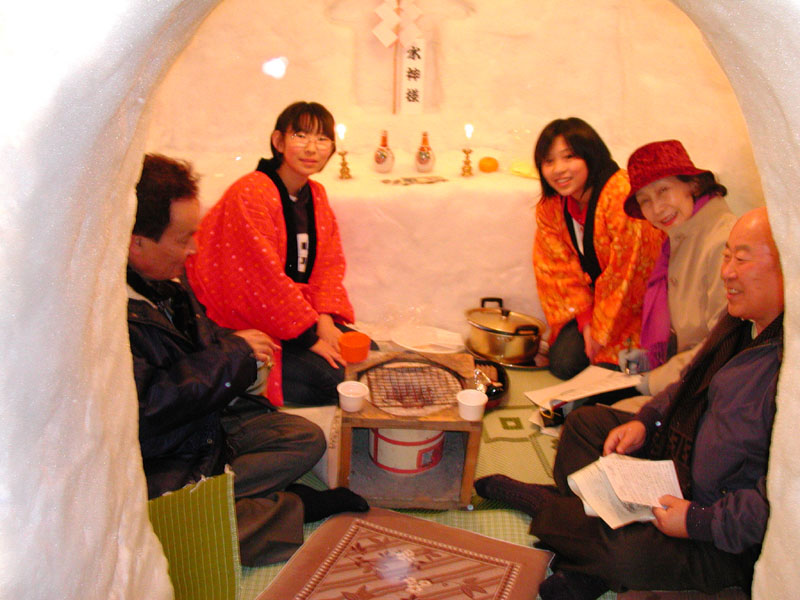
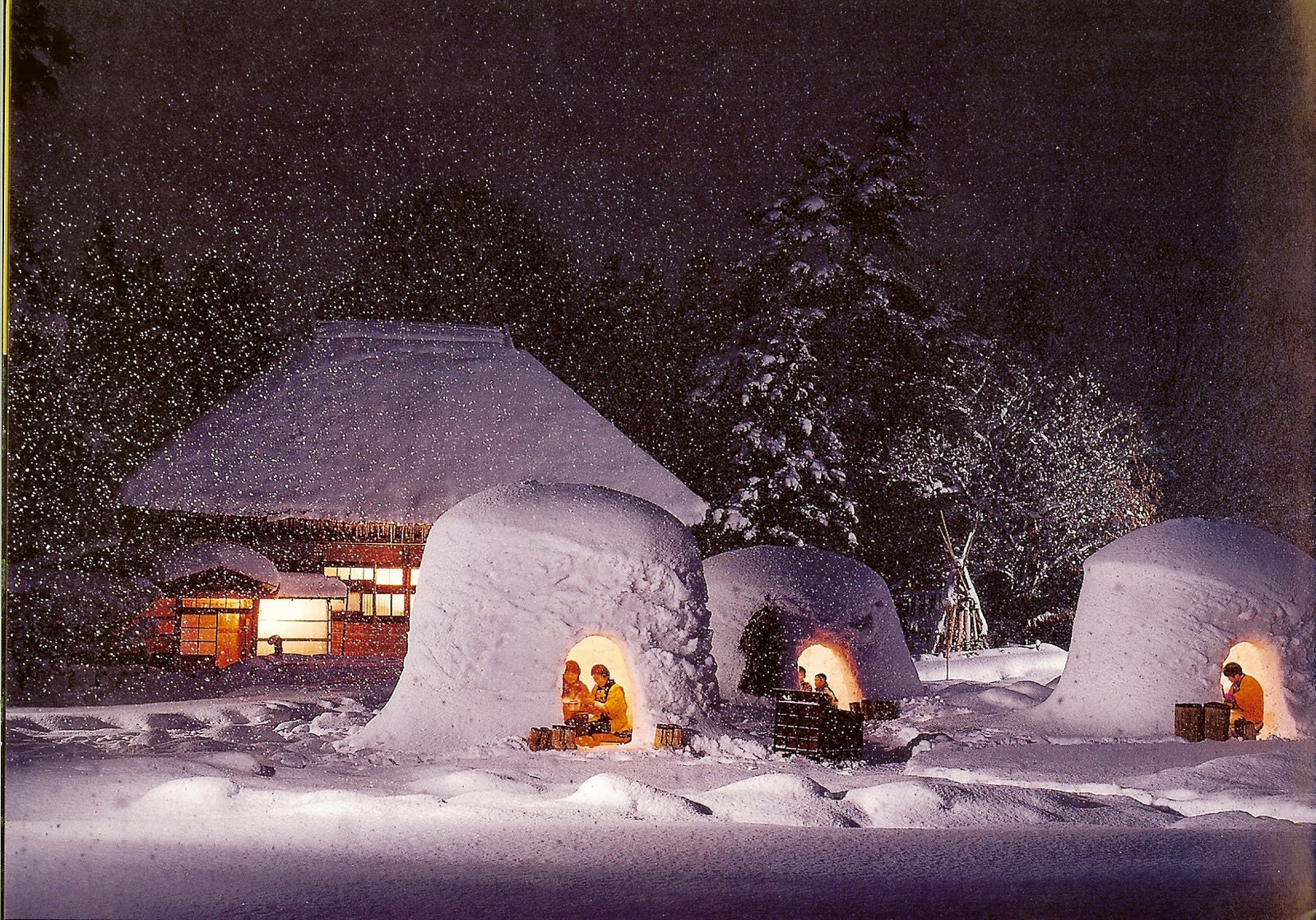
I would like to visit Yokote in February because both Kamakura festival and asahiokayama Shrine festival are held in that month. “Kamakura”(snow huts) in Yokote are well-known throughout Japan and around the world. The famous mid-winter festival is Kamakura festival, in which the snow huts are built and dedicated to the water god referred to as the “Oshizu” god in the snowy region of Akita.
 
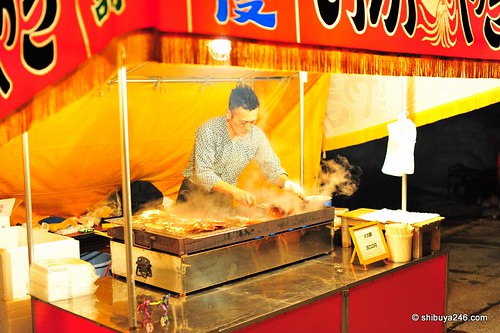
 Children will serve “amazake” and “mocchi” to visitor, and the stalls selling traditonal Japanese foods are situated.


The following festival, Asahiokayama Shrine Bonden , is a bonden contest. People have competition with each other in a procession heading to the shrine and the bonden are dedicated to the gods for the sake of having good harvest and good health of their families.

The scenery surrounding Yokote is attractive and amazing, especially the Great cedar tree of Ikada and the Yokote Castle.

 
Foods such as Yokote Yakisoba and Jumonji Noodles are popular in Yokote. 

Tuesday, 25 January 2011

JAPANESE WRITING PROJECT 1

The department store I visited is called SOGO. In hiragana, it is そごう”. From this photos, we can see that the both wordそごう”andSOGO are on the wall of the building, so both Japanese people, local and foreigners can recognise the department store. In fact, The romajiそごう”should be SOGOU. I think the reason why they use SOGOinstead ofSOGOUis that SOGOis easier for foreigners to pronounce. Just like the example of the kanji日本”can be pronounced as“にっぽん”orにほん”. It is easier for foreigner to pronounce it asにほん”instead of“にっぽん”.
 This pack of frozen food was found in SOGO
The word written in Katakana“サクサク”is the onomatopoeia. “サクサク” is the sound made by people who eat the crispy food. I think it can also emphasize the food will become crispy and tastes good after frying, so the consumers may be interested in this food product.
 
“フライ” is the loan word. “フライ” is fry(fried) in English.
In general, we use Katakana to write“エビ”(prawn/shrimp) because animals’ and plants’ name should be written in Katakana. Therefore, “fried prawn” should be written in katakana “エビフライ”. From this package, we can see that the designer uses hiragana to write “えび”(prawn/shrimp) instead of “エビ”. I think the designer wants to emphasize the word“えび”to tell people what kind of food they are selling.
Packed lunch box should be written as“お弁当” which should consists of hiragana and kanji. Here we see they use hiragana to write the wordおべんとう”. I think this is their idea that unify the design by using hiragana and katakana only. If they use kanji“お弁当”, the design may look strange.


These are the apple juice and mandarin orange juice that are found in SOGO. We usually use Hiragana to writeりんご”(apple), and “みかん”(mandarin orange). Kanji of these two words,林檎”and“蜜柑”, are not commonly used because these two words are old kanji. In this case, the designer of this brand used kanji“林檎”and“蜜柑”for the packing of the drinks. I think the designer wants to make their drinks different from other brands’ packing design, so they use old kanji for the names of the drinks so as to draw customers’ attention. I also think that the designer tries to create a traditional style or image for this brand by using old kanji. They can especially draw Chinese people's attention because the kanji are similar to the Chinese characters.

自己紹介

初めましで
私は静です
今、HKU SPACEで日本語の勉強をしています
甘い物の中でイチゴのショートケーキが一番好きです
暇のときにいろいろなケーキを作ります
今は手作りパンに挑戦しますw
とても楽しいです


私は女性グループパフュームのファンです
彼女たちのダンスも歌も上手と思います
絢香さんのことも好きです
辛いとき、わたしは絢香さんの「みんな空の下」を聴いて、勇気をもらいました


日本語の勉強を頑張ります!
これからもどうぞよろしくお願いします